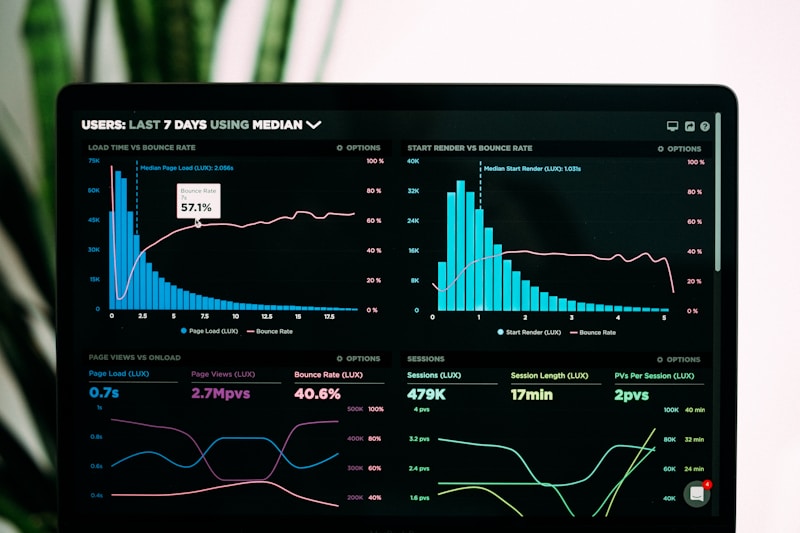
Twenty-eight years ago, when I started in this industry, dealership decisions were made largely on gut feeling and experience. Today, data analytics has transformed how successful dealers operate.
The Data Revolution
Modern dealership management systems capture thousands of data points daily: sales activities, service appointments, customer interactions, inventory metrics, and financial performance. The challenge isn't collecting data—it's extracting actionable insights.
Key Performance Indicators
Our platform tracks automotive-specific KPIs that directly impact profitability: - Closing ratio: Percentage of opportunities converted to sales - Test drive rate: Indicator of customer engagement - Appointment show rate: Measure of lead quality - Gross profit breakdown: Pool of gross, metal, finance, aftermarket - Technician efficiency: Billable hours vs. hours worked - Service upsell rates: Additional revenue per RO
These metrics provide clear visibility into performance and highlight improvement opportunities.
Predictive Analytics
Where data truly shines is prediction. By analyzing historical patterns, we can forecast: - Which inventory will sell quickly vs. age on the lot - Customer service needs based on vehicle age and mileage - Seasonal demand fluctuations - Individual salesperson performance trends
This foresight allows proactive decision-making rather than reactive problem-solving.
Real-Time Dashboards
Daily or weekly reports are useful, but real-time dashboards are transformative. Our sales managers monitor live metrics: active deals, daily closing ratio, inventory age, and service department capacity.
When a salesperson's closing ratio drops, managers can intervene immediately with coaching. When inventory ages, pricing adjustments happen in days, not weeks.
The Human Element
Here's the critical truth: data doesn't replace experience—it enhances it. Our team's 100+ years of cumulative expertise provides context for interpreting data.
A declining closing ratio might indicate poor sales performance, or it might reflect increased price shopping during economic uncertainty. Experience distinguishes between these scenarios and guides appropriate responses.
Implementation Strategy
Dealerships adopting data-driven decision making should: 1. Identify the 5-7 KPIs that most impact your profitability 2. Ensure accurate data capture across all systems 3. Train staff to understand and act on metrics 4. Review performance regularly—weekly at minimum 5. Adjust strategies based on what the data reveals
The future of automotive retail belongs to dealerships that combine data analytics with industry expertise. Technology provides the insights; experience provides the wisdom to act on them effectively.