Charging · Guides
Charging guides
Practical, step-by-step guidance for your first public charge, installing a home charger, charging in apartments and building good charging habits.
Your first public fast charge
It's simpler than it looks:
- Download the network's app, create an account and add a payment method before you arrive.
- Park so the cable reaches your charge port, and check the connector matches your car (usually CCS2).
- Plug in firmly, then start the session in the app, with an RFID card or by tapping a bank card if the charger supports it.
- Watch progress in the app or your car. When you've got what you need, stop the session, unplug and move on.
Installing a home charger
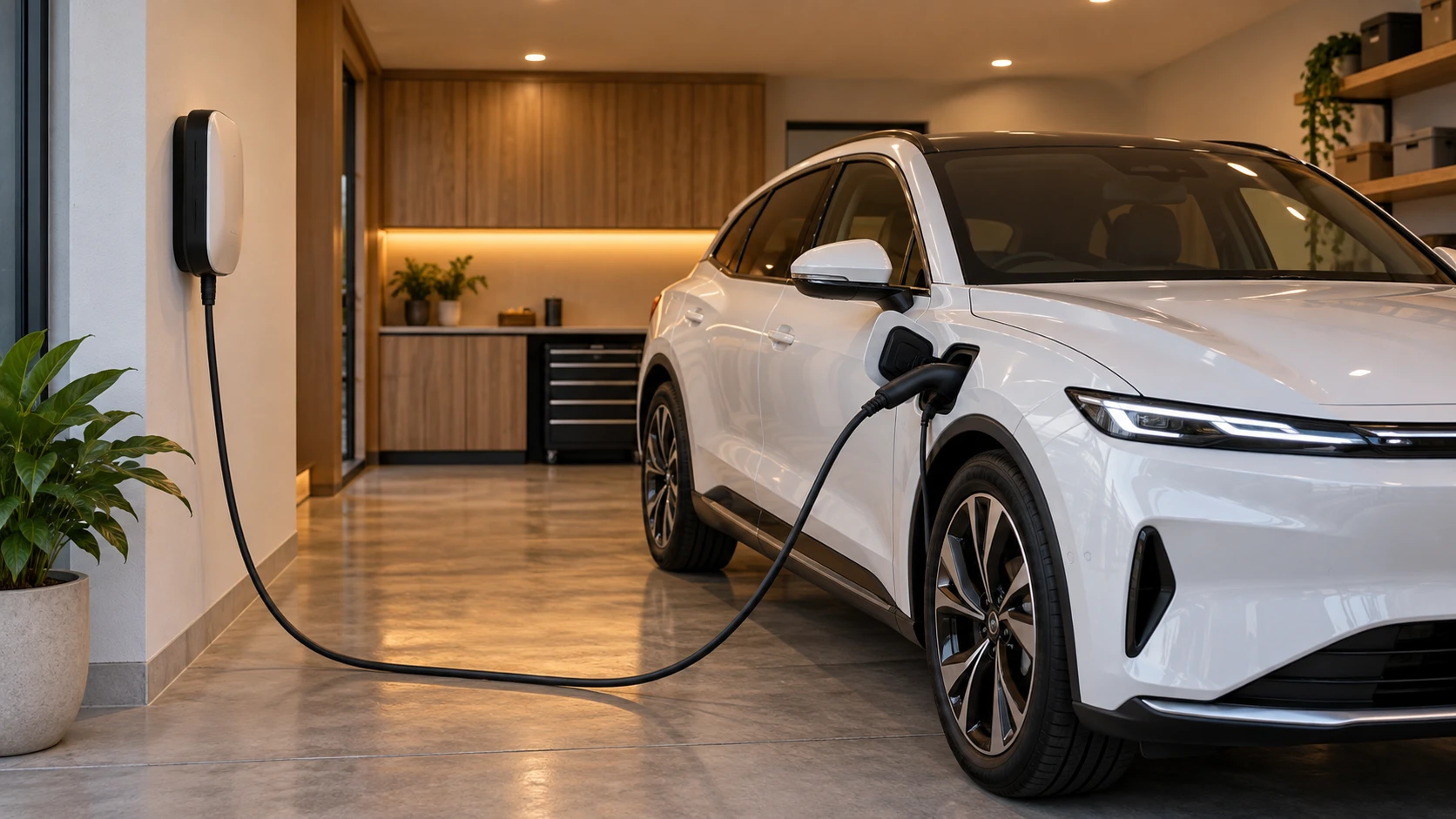
Home wallboxes must be installed by a licensed electrician. They'll check your switchboard and supply capacity, recommend single- or three-phase equipment, and confirm the cable run from your switchboard to where you park.
Consider a charger with scheduling or solar-matching features if you're on a time-of-use tariff or have rooftop solar. Ask your electricity retailer whether an EV tariff is available.
Charging in apartments and strata
In a strata building, installing a charger in shared parking usually needs owners' corporation or body corporate approval. Some buildings are installing shared or individually metered charging. Rules differ between states, so start with your strata manager.
Battery-friendly charging habits
- Set your daily charge limit to what your manufacturer recommends.
- Use AC charging for everyday top-ups; save DC for trips.
- Precondition the battery before a fast charge if your car supports it.
- In very hot weather, charge in shade or under cover where possible.
Safety basics
Use charging equipment designed for EVs, keep cables and plugs in good condition, and don't use a damaged cable or outlet. Avoid household extension leads and double adaptors for EV charging.
Ask Evie
Still have a question?
Evie is Indigo's AI assistant for electric and hybrid vehicles. Ask in your own words, for example:
“What do I need to know before installing a charger at home?”