EV Hub · Ownership
Living with an electric vehicle
What changes, and what doesn't, when an EV is your daily driver: charging routines, servicing, tyres, insurance and the questions owners ask most.
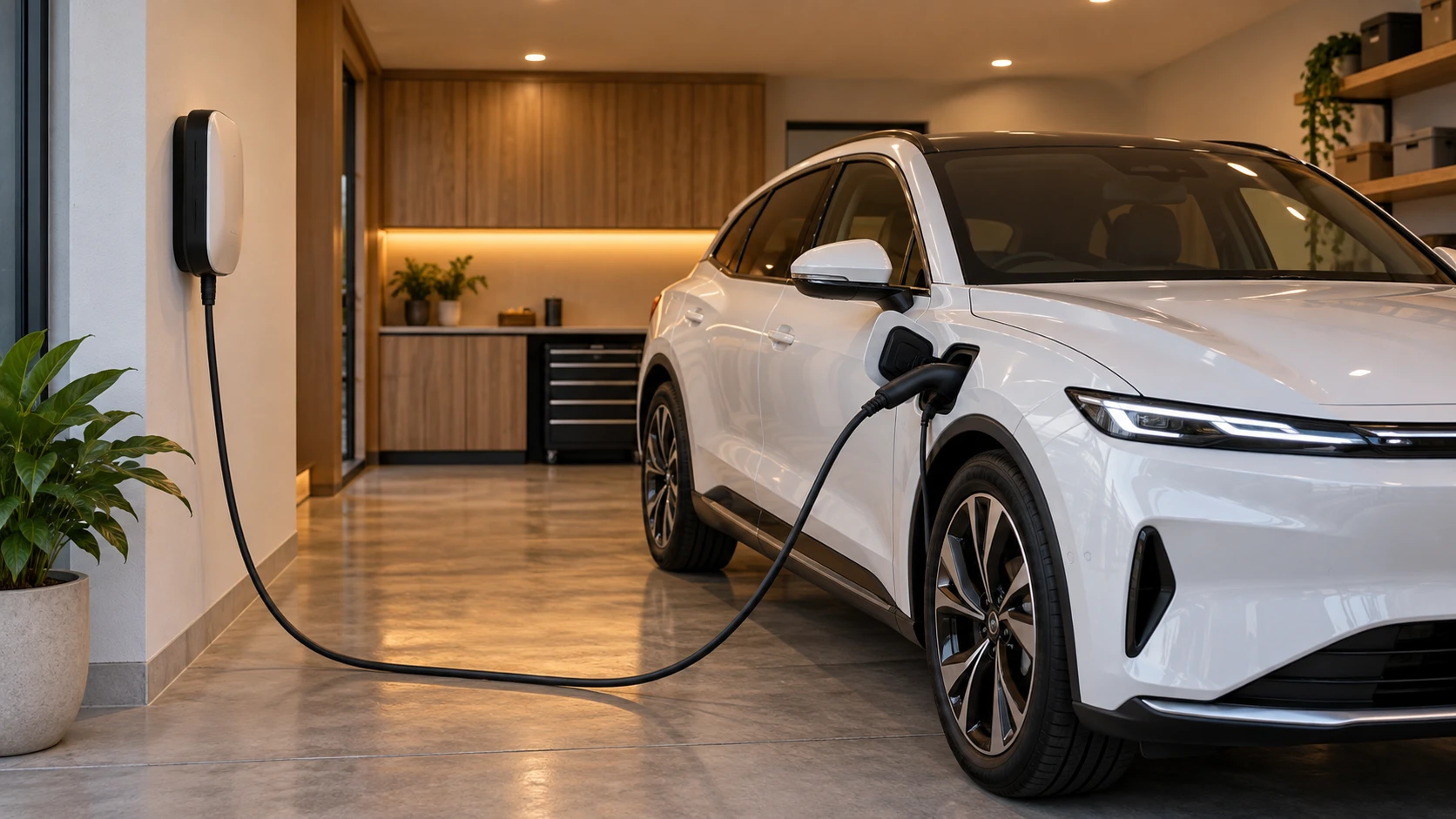
Charging becomes a routine, not a trip
For owners with off-street parking, most charging typically happens at home overnight, so you start most days with the charge you need. Public fast charging becomes something you use on longer trips rather than every week.
A standard power point will charge slowly; a dedicated wallbox installed by a licensed electrician is faster and is the usual long-term setup.
Servicing and maintenance
There's no engine oil, spark plugs or exhaust to look after, so routine servicing is generally simpler. EVs still need regular attention: tyres, brakes, suspension, cabin air filter, wipers, and in many models coolant for the battery and motor thermal system.
Service intervals and inclusions vary by brand. Follow the manufacturer's schedule, especially if you want to keep warranty records straightforward.
Tyres
EVs are often heavier than equivalent petrol cars and deliver torque instantly, so tyres can wear faster, particularly with enthusiastic driving. Many EVs come with tyres designed for low rolling resistance and low noise; replacing them with a similar spec helps preserve range and comfort.
The 12-volt battery
Almost every EV still has a small 12V battery that runs the computers, locks and accessories, and wakes the car up. If it goes flat, the car may not start even with a full high-voltage battery. It's a common, inexpensive fix, and worth knowing about.
Insurance, registration and running costs
Insurance premiums and registration charges vary by insurer, state and vehicle, so compare quotes rather than assume. Running costs depend largely on how and where you charge: home charging on an off-peak or solar-friendly tariff is usually much cheaper than public fast charging.
No off-street parking?
Apartment and street-parked owners can still make an EV work. Options include strata-approved charging in shared car parks, workplace charging, destination chargers at shopping centres, and regular public charging. It takes more planning, so map out your realistic weekly routine before you buy.
Ask Evie
Still have a question?
Evie is Indigo's AI assistant for electric and hybrid vehicles. Ask in your own words, for example:
“I live in an apartment without a charger. Could an EV still work for me?”