EV Hub · Used EVs
Buying a used EV or hybrid
A second-hand EV can be great value, but a few checks matter more than they would on a petrol car. Here's what to look at before you buy.
Start with battery health
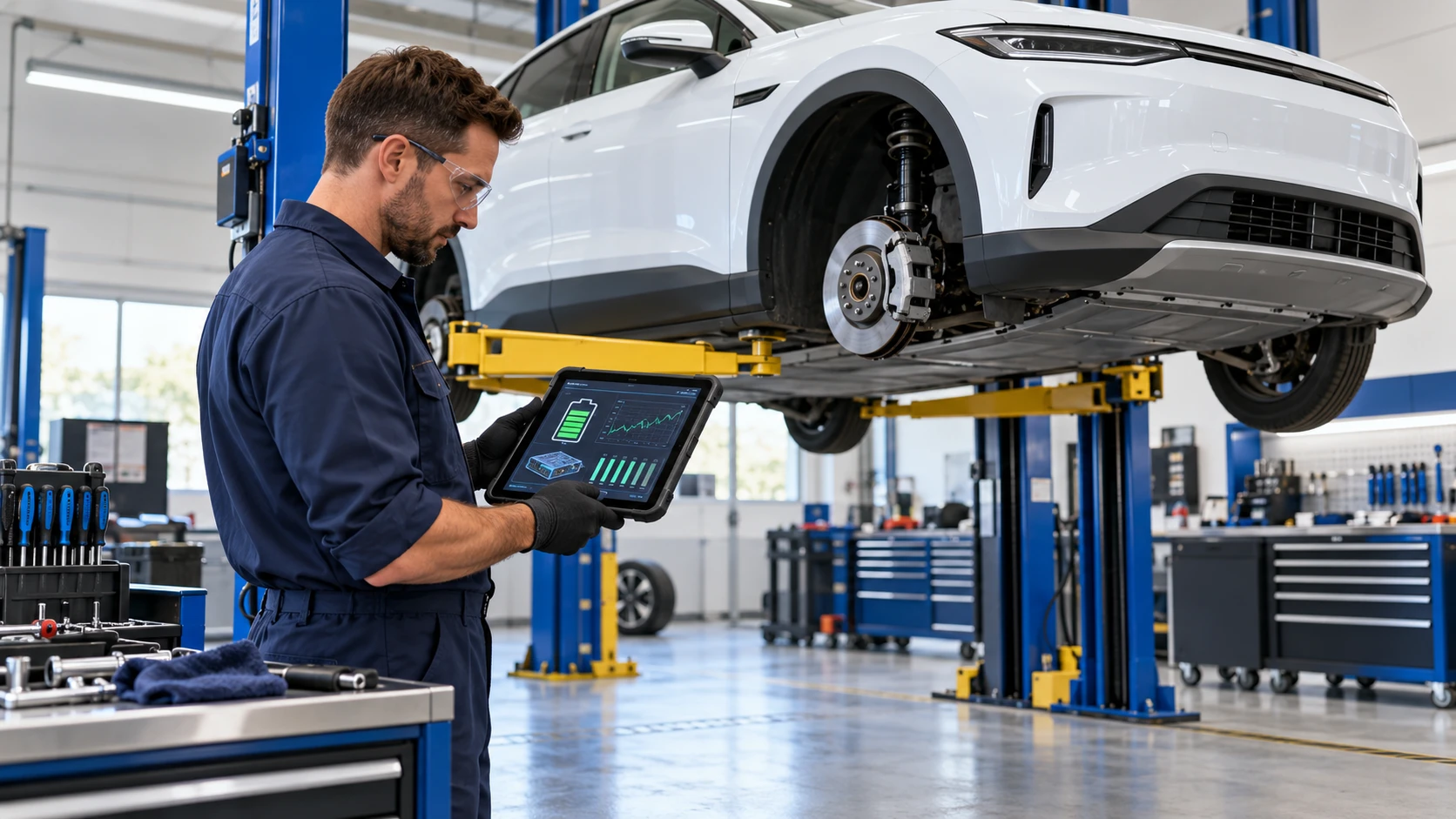
The battery is the most valuable component, so ask for a State of Health (SoH) report or have the car independently checked. The dashboard range estimate alone isn't a reliable measure of battery condition, because it's based on recent driving.
Check the charging hardware
Test both AC and DC charging if you can, and inspect the charge port and its cover for damage. Ask whether the portable charging cable and any Type 2 cable that came with the car are included.
Warranty and service history
Battery warranties often transfer to later owners, but confirm the remaining term, distance and conditions with the manufacturer. A service history from an authorised or EV-experienced workshop is a good sign.
Software, apps and connected features
Make sure the previous owner's account is removed from the car and its app, so you can set up your own. Some features may depend on subscriptions that don't automatically carry over, so ask what's active and what it costs to renew.
Imported used EVs
Some used EVs in Australia were privately imported, commonly from Japan or the UK. They can be good value, but may use the older CHAdeMO fast-charging connector, have different software or language settings, and may not be supported by the local manufacturer's warranty. Check compliance, parts availability and which public chargers will work.
The usual checks still apply
Everything you'd check on any used car still matters:
- Tyres (EVs can be harder on them) and brakes
- Suspension and steering
- Accident history and finance owing (a PPSR search)
- Registration and roadworthy or safety certificate requirements in your state
Ask Evie
Still have a question?
Evie is Indigo's AI assistant for electric and hybrid vehicles. Ask in your own words, for example:
“What should I ask a seller about a used EV's battery?”